Konopí a CBD produkty září 21, 2026
Can Drug Dogs Smell Hemp? The Truth About Detection
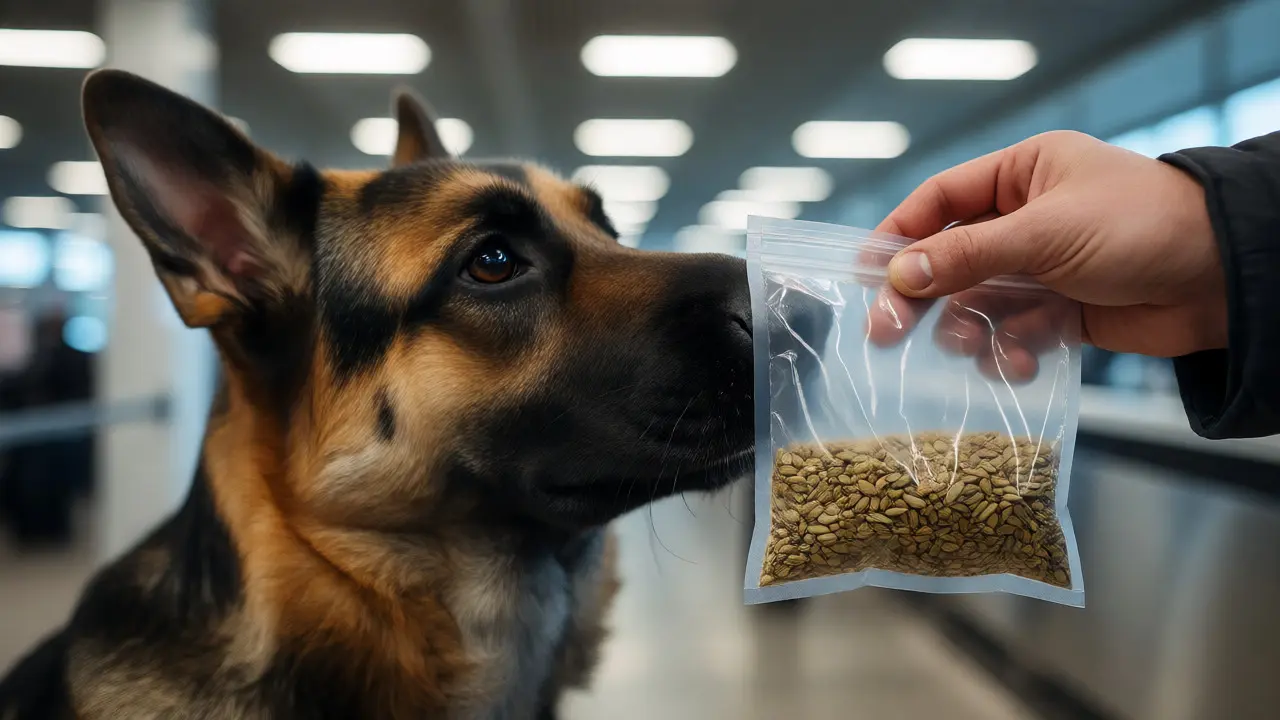
You’re at an airport security checkpoint or pulled over by police. You have a bag of hemp seeds or maybe some hemp protein powder in your luggage. Suddenly, the police dog starts sniffing around your car or bag. Your heart skips a beat. Does that mean you’re in trouble? Will the officer confiscate your healthy snack?
This is one of the most common fears for people who use hemp products. We know that hemp and marijuana look similar. They even smell somewhat similar to the untrained nose. But do those highly trained canine noses actually distinguish between the two? Or does a whiff of hemp trigger the same alert as a joint?
The short answer is complicated, but mostly reassuring. Most modern drug detection dogs are trained specifically to ignore hemp and focus on illegal substances like THC-rich cannabis, cocaine, or methamphetamines. However, "mostly" isn't "always." Let’s break down exactly how these dogs work, what they can smell, and why context matters more than just the scent itself.
How Drug Detection Dogs Actually Work
To understand if a dog can smell hemp, you first need to understand what it is smelling. Dogs don’t just smell "weed." They detect specific volatile organic compounds (VOCs) released by plants. Cannabis sativa, the species that includes both hemp and marijuana, produces hundreds of these compounds. The most famous ones are terpenes and cannabinoids.
Here is the key distinction: THC (tetrahydrocannabinol) is the psychoactive compound in marijuana that gets you high. Hemp, by legal definition in most places including the US and EU, contains less than 0.3% THC. It is rich in CBD (cannabidiol), which is non-psychoactive.
When a handler trains a dog, they aren't teaching it to smell "the plant." They are teaching it to smell the target substance. If the target is THC, the dog learns to associate the scent of high-concentration THC with a reward (usually a tennis ball or treat). Since hemp has negligible THC, a well-trained dog should not react to it. Think of it like this: if you train a dog to find truffles, it won’t bark at every mushroom in the forest. It only barks at the specific scent profile of the truffle.
Hemp vs. Marijuana: The Scent Profile Difference
While hemp and marijuana share the same genetic ancestor, their chemical profiles differ significantly. This affects how they smell to a dog.
| Feature | Hemp | Marijuana |
|---|---|---|
| Primary Target for Dogs | None (unless trained for hemp) | High concentrations of THC |
| Terpene Content | Lower variety, often earthy/hay-like | High variety, pungent, skunky, floral |
| Odor Intensity | Mild, subtle | Strong, pervasive |
| Dog Reaction | Usually ignores | Alerts (sits, lies down, stares) |
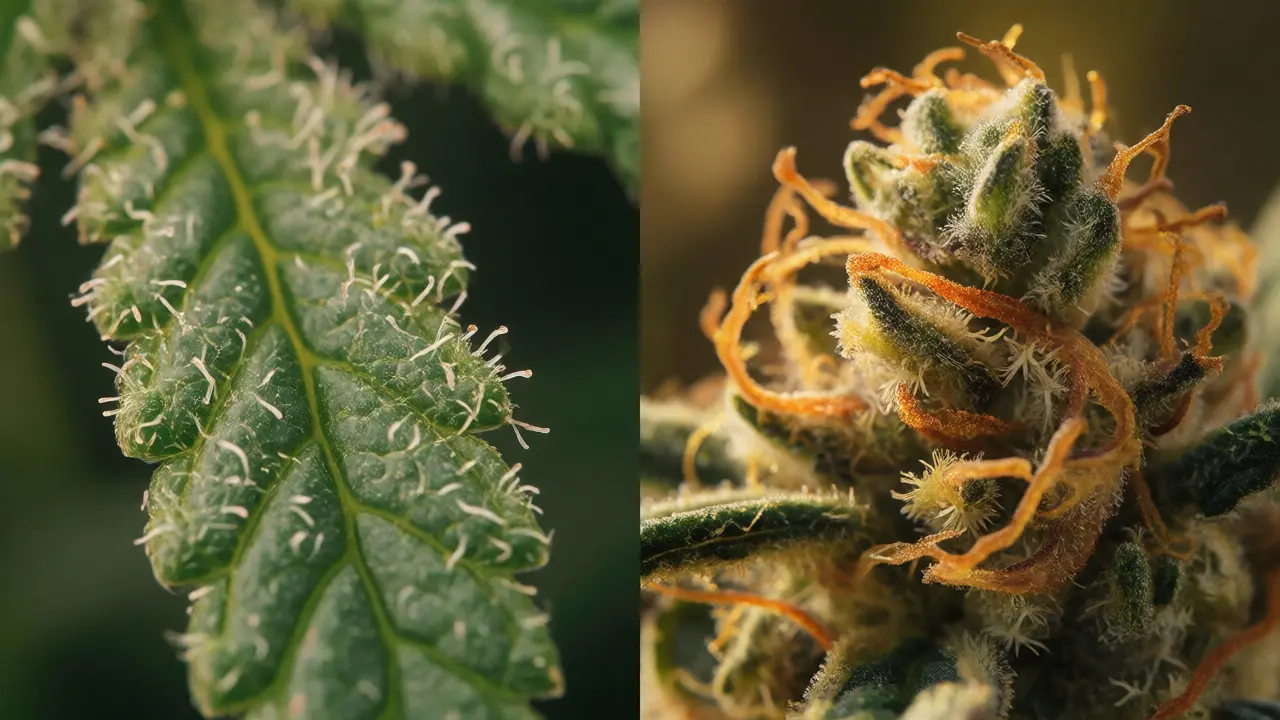
Marijuana flowers are bred to produce massive amounts of resinous trichomes, which hold the THC and strong-smelling terpenes like myrcene and limonene. This creates that distinct "skunk" smell. Hemp, especially industrial hemp grown for fiber or seeds, doesn't develop these dense buds. Its smell is often described as grassy, hay-like, or slightly spicy. To a human, it might be hard to tell apart from other herbs. To a dog, the intensity difference is huge. A dog looking for the potent punch of THC will likely walk right past the mild scent of hemp seeds.
The Role of Training and Handler Bias
Not all drug dogs are created equal. Their behavior depends heavily on who trained them and what they were taught to find.
In many jurisdictions, after the legalization of hemp (like under the 2018 Farm Bill in the US), agencies updated their training protocols. Handlers began conditioning dogs to discriminate between hemp and marijuana. This involves exposing the dog to hemp scents during training sessions and ensuring the dog does NOT get a reward for reacting to it. If a dog reacts to hemp, it gets no treat. Over time, the dog learns that hemp scent equals zero reward, while THC scent equals a tennis ball.
However, there is a catch called handler bias. Studies have shown that dogs sometimes pick up on subtle cues from their handlers. If the handler suspects something because they see a green baggie, they might unconsciously tense up or change their walking pattern. The dog notices this and sniffs harder. If the dog then finds a small amount of residue or simply pauses, the handler might interpret that pause as an alert. So, sometimes the "false positive" isn't the dog smelling the hemp, but the dog reacting to the human's anxiety about the hemp.
Why Hemp Food Products Are Usually Safe
You mentioned hemp food. Things like hemp hearts, hemp oil, or protein bars. These are processed differently than raw flower. Processing removes much of the volatile aromatic compounds. Hemp seed oil, for instance, has a nutty flavor but very little of the pungent cannabis odor.
If you are carrying sealed commercial hemp foods, the risk of a dog alerting is extremely low. The scent is contained within packaging and lacks the aggressive VOC release of fresh, uncured cannabis flower. Even if the dog smells the package, it likely won't recognize it as a threat unless it was poorly trained or specifically trained to find hemp (which is rare for standard police work).
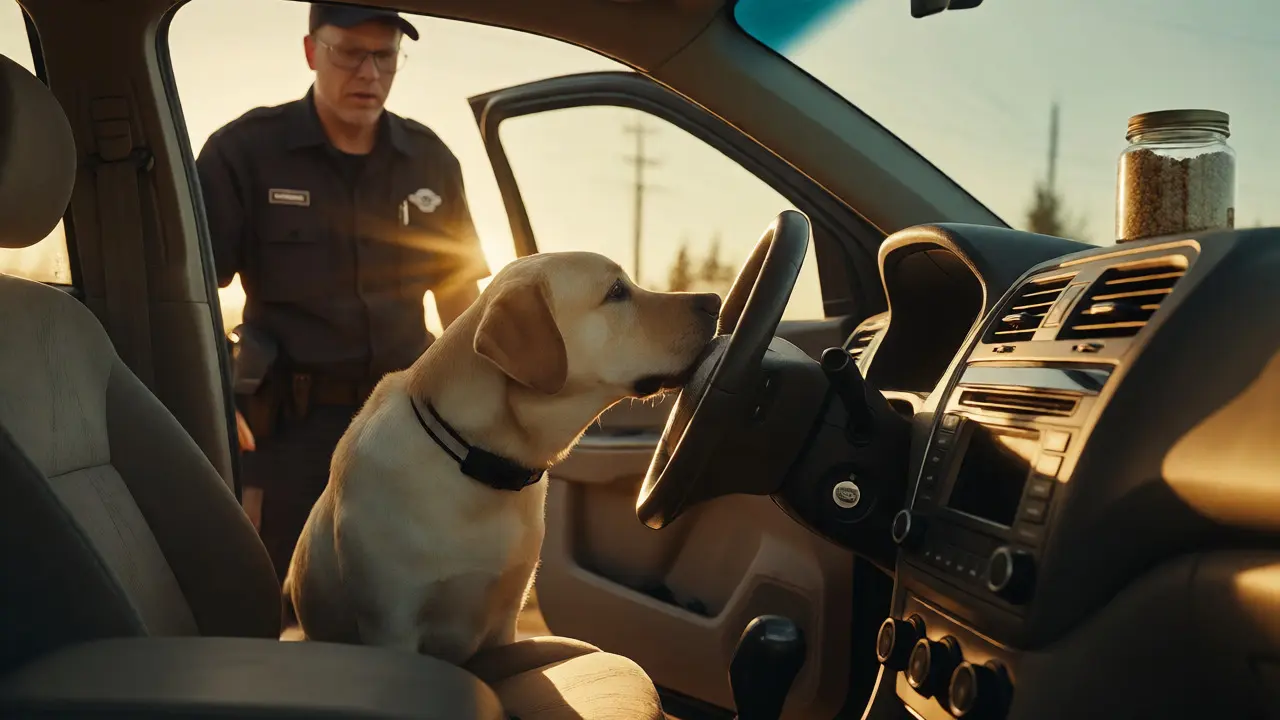
Consider a scenario: You are driving through a state border check. You have a jar of hemp seeds in your glovebox. The dog walks by. It might sniff the air because it detects *something* organic. But unless it associates that specific nutty, mild scent with illegal drugs, it will move on. Police officers know this. They rely on probable cause based on actual evidence, not just a dog sitting next to a bag of salad ingredients.
When Things Go Wrong: False Positives and Residue
So, when could a problem occur? Mostly in cases of cross-contamination or poor training.
Imagine you store your hemp seeds in a container that previously held marijuana. Residual oils from the weed could linger on the plastic. Now, your hemp product carries a trace scent of THC. A sensitive dog might pick up on that residual THC, not the hemp itself. In this case, the dog is technically correct-it smells THC-but the source is contamination, not illegal possession of hemp.
Another issue arises with full-spectrum CBD products. While legally compliant, some full-spectrum extracts contain trace amounts of THC (below 0.3%). If you have a large quantity of these products, the cumulative scent might be stronger than expected. A highly sensitive dog might alert to the aggregate scent volume. This doesn't mean you are guilty, but it might lead to a longer search or questioning.
Also, remember that laws vary by location. In some strict jurisdictions, any scent related to the cannabis family might trigger a search, regardless of legality. Officers may argue that they cannot instantly determine if the smell is hemp or marijuana without lab testing. Therefore, while the dog might not be "alerting" in the formal sense, the situation could still escalate due to legal ambiguity rather than biological detection failure.
Practical Tips for Travelers Using Hemp
If you travel frequently with hemp products, here is how to minimize hassle:
- Keep Packaging Sealed: Unopened packages emit far fewer odors. Always keep hemp foods in their original, airtight containers.
- Carry Documentation: Have receipts or lab certificates (COAs) handy. If an officer questions the contents, showing proof that it is legal hemp can de-escalate the situation quickly.
- Avoid Mixing Containers: Never store hemp products in jars that previously held strong-smelling cannabis. Clean thoroughly or use dedicated storage.
- Know Local Laws: Research the regulations of the region you are visiting. Some countries or states have stricter rules regarding hemp-derived products than others.
It is also worth noting that many airports and borders now use explosive detection dogs primarily, not drug dogs. Explosive dogs are trained to smell nitrates and peroxides found in bombs, completely unrelated to plant matter. If you are in a secure zone, a dog sniffing your bag is likely looking for explosives, making your hemp snacks irrelevant to its mission.
The Future of Canine Detection
As hemp becomes more mainstream, detection technology is evolving. We are seeing the rise of electronic nose devices that can analyze breath or air samples in seconds, identifying specific molecules without the variability of animal behavior. These devices are being tested to complement or even replace dogs in some screening scenarios.
For now, however, dogs remain the gold standard for speed and portability. Their ability to filter out background noise-like car exhaust, perfume, or food-is unmatched. As long as handlers continue to update training curricula to reflect changing laws, the likelihood of a dog confusing your hemp protein shake with contraband remains minimal.
Do drug dogs specifically look for hemp?
Generally, no. Most police drug dogs are trained to detect illegal substances like THC-rich cannabis, cocaine, heroin, and methamphetamine. Since hemp contains very low levels of THC, it does not typically trigger an alert. Dogs are conditioned to ignore hemp scents during training to prevent false positives.
Can a drug dog smell hemp seeds?
Yes, dogs have incredibly sensitive noses and can physically smell hemp seeds. However, smelling something is different from alerting on it. Unless the dog is specifically trained to find hemp (which is uncommon for general law enforcement), it will likely ignore the scent of hemp seeds because it does not associate it with a reward or illegal activity.
Will I get in trouble for having hemp products if a dog alerts?
A dog alert alone is rarely sufficient grounds for arrest in many jurisdictions today, especially given the prevalence of legal hemp. Officers usually need additional probable cause, such as visible paraphernalia or admission of use. If a dog alerts near hemp products, officers may conduct a visual inspection. Showing documentation proving the product is legal hemp can often resolve the issue quickly.
Is the smell of hemp different from marijuana?
Yes. Marijuana typically has a strong, pungent, skunky aroma due to high terpene and cannabinoid concentrations. Hemp usually has a milder, earthier, grassy, or hay-like scent. Processed hemp foods like seeds or oil have even less intense aromas, often smelling nutty or neutral.
Can cross-contamination cause a false positive?
Absolutely. If hemp products are stored in containers that previously held marijuana, residual THC oils can transfer to the hemp. A sensitive dog might detect this residual THC and alert. This is why proper storage and cleaning of containers are important for travelers using hemp products.